
13 Notebooks

Static Order Up To Level Simulation Starter
Static Order Up To Level Simulation Starter NB With Polars/Numba. This can easily be made forecast driven!
8 months ago
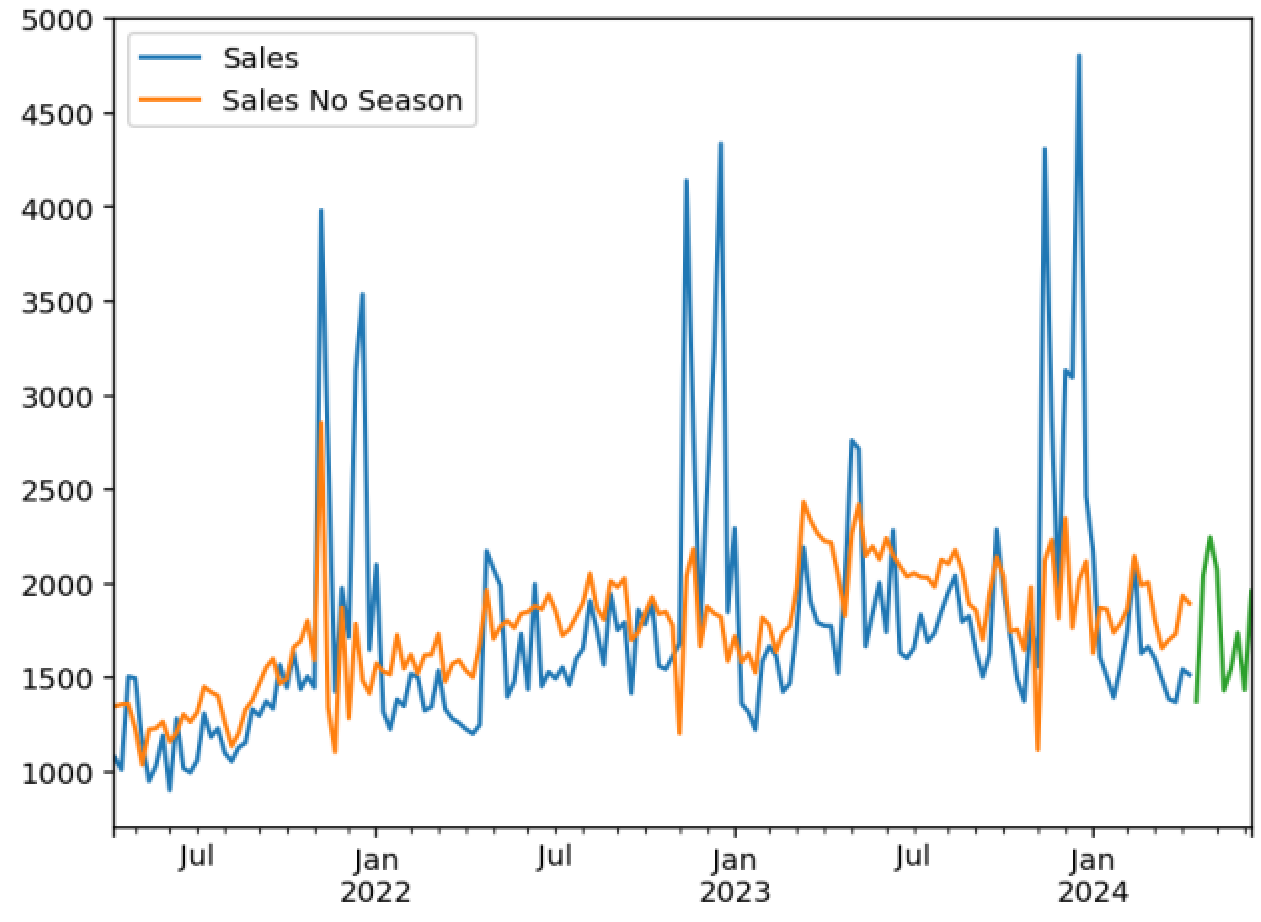
Official Benchmark
An 13-week seasonal moving average combined with a forecast-driven policy with a 4 weeks coverage
8 months ago
Inventory Snapshots
A forward-looking graphic view of the inventory position and balance
8 months ago
Getting Started - Forecasting with Machine Learning
Learn how to use MLForecast to leverage machine learning models for time series forecasting
8 months ago
Getting Started - Forecasting with Deep Learning
Use deep learning for time series forecasting
8 months ago
Deep Reinforcement Learning for Inventory Planning
Implementation of Deep RL for the VN2 Inventory Planning challenge
8 months ago

Getting Started - Prepare Data for Forecasting Using Nixtla
Format and preprocess your data for time series forecasting
8 months ago
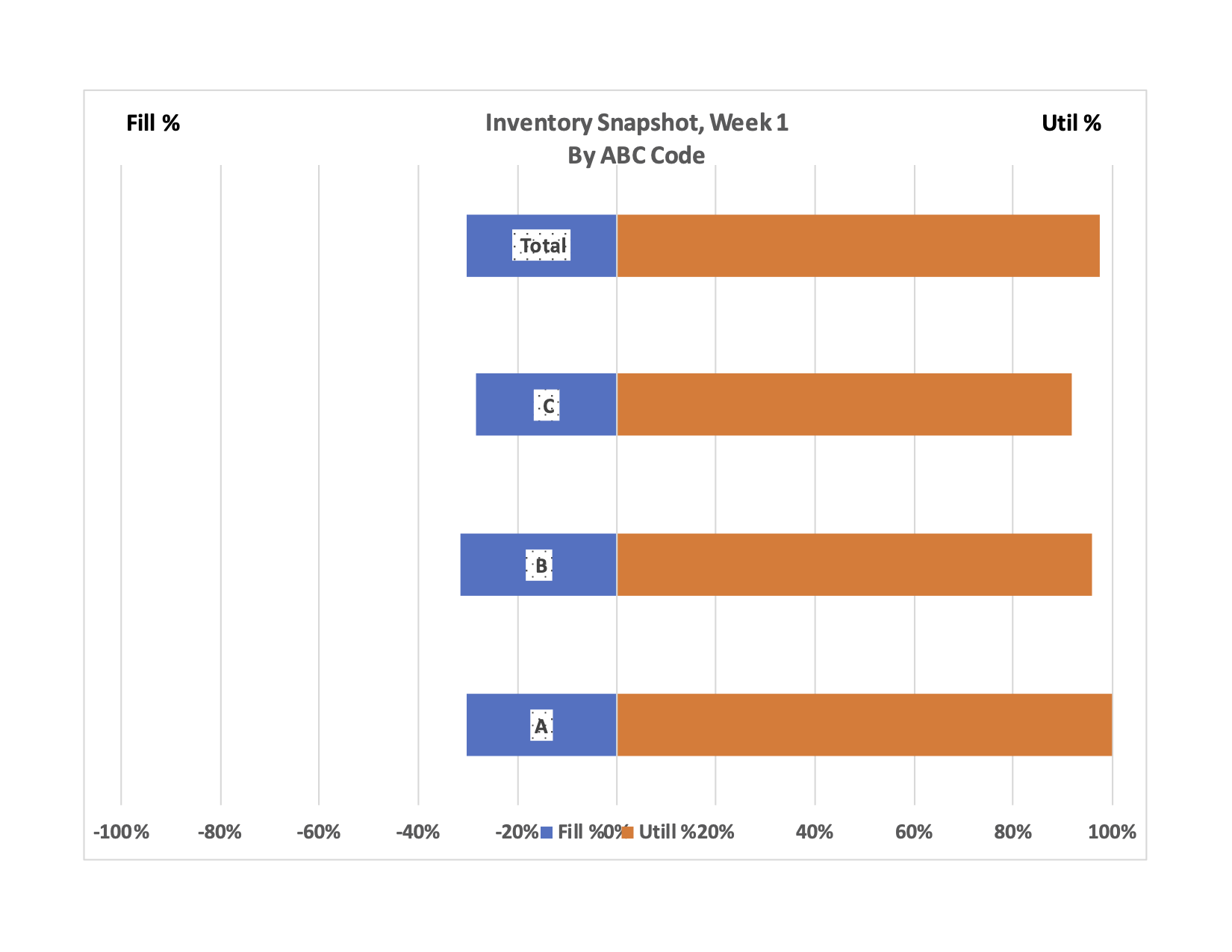
Inventory Snapshots - Week 1
Describes how to interpret the Inventory Snapshot
8 months ago

Getting Started - Forecasting with Statistical and Hierarchical Models
Use statistical models for time series forecasting and learn hierarchical reconciliation methods.
8 months ago
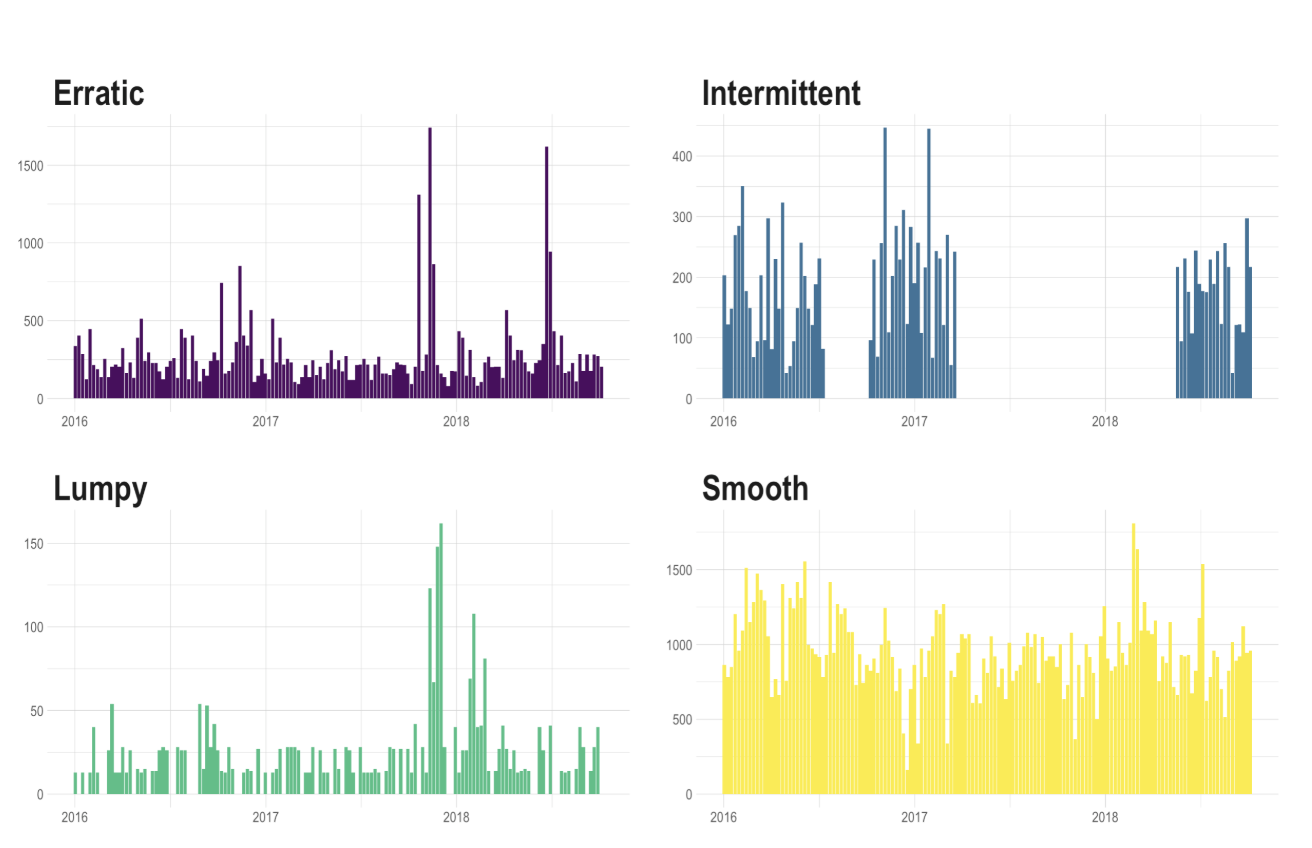
Nixtla Forecast & Demand Type Classification
This notebook demonstrates the use of StatsForecast and NeuralForecast methods to analyze time series data. It includes the methodology to identify the demand type of each time series, helping to understand patterns such as intermittent, smooth, or seasonal demand.
7 months ago

🤖 AI Forecasting Arena: Multi-Agent Competition
Can AI agents autonomously create state-of-the-art forecasting models? We're about to find out!
7 months ago
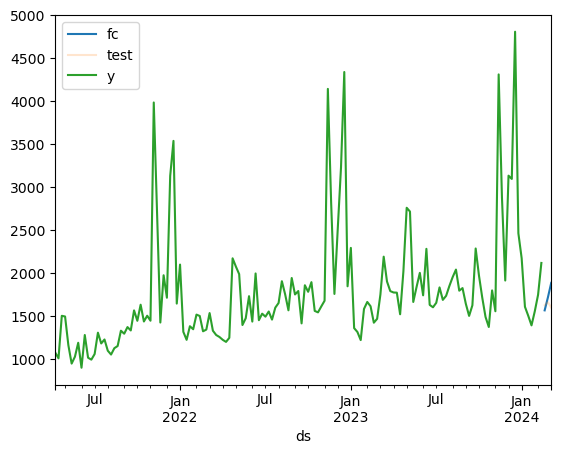
Weighted ensemble with AutoMFLES and Lightgbm (using AutoMLForecast module from Nixtla) to reduce regression to the mean
Weighted ensemble from AutoMFLES and Lightgbm by minimising a desired error using scipy optimise to reduce regression to the mean.
7 months ago